
Trenching Done Without Disturbing Existing Infrastructure
Water Line Excavation in Siler City for properties where below-grade access is needed to support water line installation or replacement projects
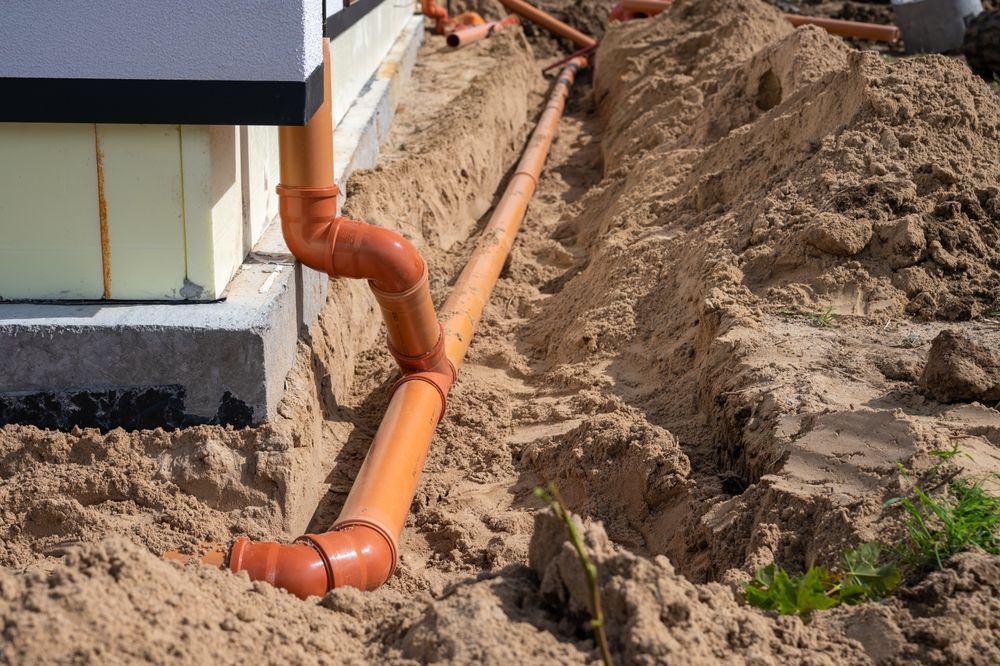
Water line excavation involves opening a trench along a specific path, at a defined depth, without disturbing adjacent utilities, structures, or surface features that need to remain intact. Ferguson's Handyman Service handles this excavation work in Burlington, Siler City, , Graham, and surrounding areas, working around property layouts and confirmed underground utility locations to establish safe access for water line projects. The excavation scope is defined by the path the line needs to follow, the depth requirements, and the site conditions along the route.
Planning starts before equipment arrives on site. The trench path needs to account for existing structures, landscaping, paved surfaces, and utility crossings—all of which affect both the route and the excavation method. Utility locating is required before any digging begins, and on residential lots with multiple utility service entries, the planning step involves more than a brief walkthrough of the yard.
Arrange a site review with Ferguson's Handyman Service to map the trench path and identify conditions that will affect the excavation approach before work begins.
What Proper Water Line Excavation Requires
The trench needs to be opened to the correct depth and width to allow the line to be placed at a depth that prevents freezing and permits proper bedding material beneath it. Trench walls need to remain stable through the installation phase, which depends on soil conditions, trench depth, and weather during the work window. In areas where the trench passes near existing structures or other utility lines, the pace of work slows to reduce the risk of disturbing adjacent infrastructure.
Once excavation is complete and the water line work has been handled by the appropriate licensed contractor, the trench gets backfilled in lifts to restore grade and prevent settling. The surface is restored to a condition that allows normal use—grass, gravel, or paving can be reinstated without a visible depression forming over the trench line, which commonly occurs when backfill isn't compacted in controlled stages.
Ferguson's Handyman Service handles the excavation and site preparation portion of water line projects; plumbing work is completed by a licensed plumbing contractor. That division of work is an important distinction when planning the project sequence, since excavation needs to be timed with the availability of the contractor completing the line installation.
Answers to Frequent Service Questions
Water line excavation questions often involve sequencing with plumbing contractors, managing the existing site, and understanding what the excavation scope includes versus what a licensed plumber handles separately.
What depth is required for water line excavation?
Depth depends on local frost depth requirements and the specific line type; in Siler City's climate, water lines are placed deep enough to avoid freeze damage during winter temperature drops.
How is the trench path determined before work begins?
The path follows the most direct feasible route from the connection point to the destination, adjusted around obstacles, utility crossings, and surface features that need to remain undisturbed.
Why does utility locating matter for water line excavation?
Hitting an existing gas, electric, or communication line during excavation creates both safety hazards and project delays—locating services map those lines before the first cut is made.
What happens to the surface after the trench is backfilled?
Backfill is compacted in stages to minimize settling; if the trench crosses a lawn or paved area, surface restoration is planned from the start rather than treated as a separate afterthought.
When should excavation be scheduled relative to the plumbing work?
Excavation and line installation need to be sequenced so the trench stays open for the shortest time necessary, reducing the risk of wall slumping or water intrusion before backfill.
Talk with Ferguson's Handyman Service about your site conditions and project scope to understand what the excavation phase of your water line project involves from start to finish.